

Banner Image Banner Image

Sustainable Spring Practices for a More Efficient Kitchen

Posted on

As sustainability continues to influence purchasing and menu decisions, spring is the perfect time for operators to reset, refine, and reduce waste. Thoughtful bread usage and simple food strategies can support both environmental goals and operational efficiency.

Recent industry reporting highlights the scale of the issue. Research summarized by Eat App notes that restaurants generate millions of tons of excess food each year, and the vast majority of that surplus ends up discarded rather than redirected (Kroon & Kadhem, 2026). Waste occurs both before and after food ever reaches the guest.

On the operational side, a meaningful percentage of food purchased by restaurants never makes it onto a plate. Factors such as over-ordering from suppliers, improper storage, prep waste, kitchen mistakes, and holding food too long can result in an estimated 4%–10% of inventory being lost before service even begins (Kroon & Kadhem, 2026).

Once food is served, plate waste becomes the largest contributor. Industry data referenced by Eat App indicates that roughly seven out of every ten pounds of food waste in foodservice comes from uneaten portions left behind by guests. Oversized servings, dishes that don’t match customer preferences, and over-ordering at the table all contribute to this trend (Kroon & Kadhem, 2026).

Here are a few sustainable spring tips to keep kitchens running smarter while staying aligned with guest expectations.

Reimagine Day-Old Bread

Day-old artisan bread is an opportunity—not a loss.

  • Turn baguettes into crostini, breadcrumbs, or croutons

  • Repurpose boules for bread pudding or stuffing

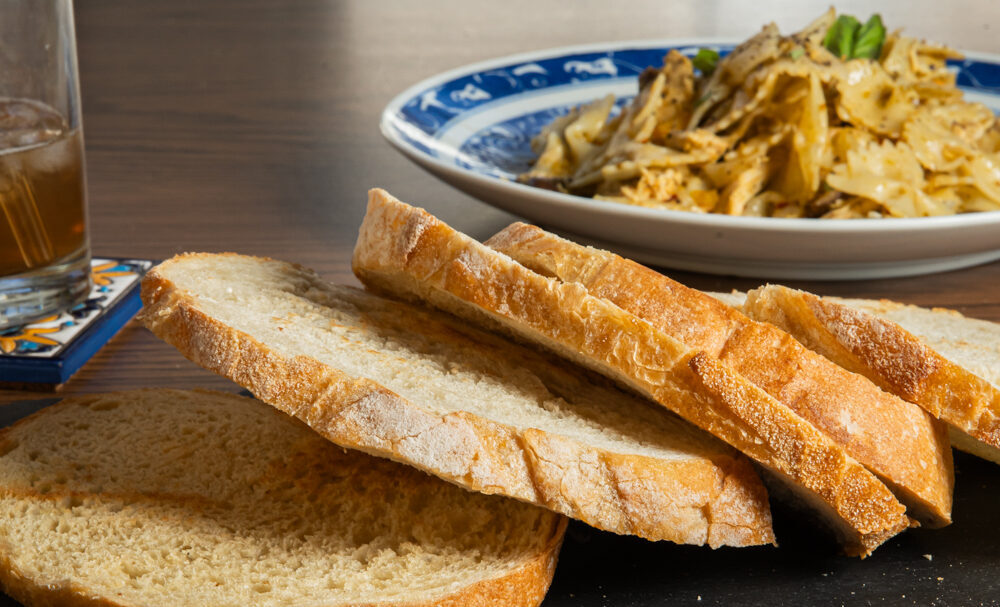
  • Toast slices for spreads, dips, or charcuterie boards

Design Menus with Versatility in Mind

Choosing breads that work across multiple applications reduces SKU complexity and waste.

  • One baguette can support appetizers, sandwiches, and sides

  • Multigrain or rye breads work across breakfast and lunch dayparts

A versatile bread portfolio allows operators to do more with less.

Lean into Portion Awareness

Thoughtful slicing and portioning help manage costs while supporting sustainability.

  • Consistent cuts reduce overuse

  • Right-sized portions align with lighter spring menus


Educate Teams on Storage & Handling

Proper storage extends shelf life and protects quality.

  • Follow recommended thawing and holding guidelines

  • Rotate inventory intentionally

  • Train teams on best handling practices

At Bakery de France, sustainability isn’t a trend—it’s part of building responsible, future-ready bread programs. By pairing artisan quality with smart kitchen practices, operators can reduce waste, protect margins, and meet evolving expectations.

Spring is a season of renewal—and the perfect time to take a fresh look at how bread supports your menu, your team, and your goals.

Work Cited:

Kroon, E., & Kadhem, N. (2026, February 10). How to reduce food waste in restaurants: 18 proven strategies for 2026. Eat App. https://restaurant.eatapp.co/blog/how-to-reduce-food-waste-in-restaurants

Sustainable Spring Practices for a More Efficient Kitchen

Posted on

As sustainability continues to influence purchasing and menu decisions, spring is the perfect time for operators to reset, refine, and reduce waste. Thoughtful bread usage and simple food strategies can support both environmental goals and operational efficiency.

Recent industry reporting highlights the scale of the issue. Research summarized by Eat App notes that restaurants generate millions of tons of excess food each year, and the vast majority of that surplus ends up discarded rather than redirected (Kroon & Kadhem, 2026). Waste occurs both before and after food ever reaches the guest.

On the operational side, a meaningful percentage of food purchased by restaurants never makes it onto a plate. Factors such as over-ordering from suppliers, improper storage, prep waste, kitchen mistakes, and holding food too long can result in an estimated 4%–10% of inventory being lost before service even begins (Kroon & Kadhem, 2026).

Once food is served, plate waste becomes the largest contributor. Industry data referenced by Eat App indicates that roughly seven out of every ten pounds of food waste in foodservice comes from uneaten portions left behind by guests. Oversized servings, dishes that don’t match customer preferences, and over-ordering at the table all contribute to this trend (Kroon & Kadhem, 2026).

Here are a few sustainable spring tips to keep kitchens running smarter while staying aligned with guest expectations.

Reimagine Day-Old Bread

Day-old artisan bread is an opportunity—not a loss.

  • Turn baguettes into crostini, breadcrumbs, or croutons

  • Repurpose boules for bread pudding or stuffing

  • Toast slices for spreads, dips, or charcuterie boards

Design Menus with Versatility in Mind

Choosing breads that work across multiple applications reduces SKU complexity and waste.

  • One baguette can support appetizers, sandwiches, and sides

  • Multigrain or rye breads work across breakfast and lunch dayparts

A versatile bread portfolio allows operators to do more with less.

Lean into Portion Awareness

Thoughtful slicing and portioning help manage costs while supporting sustainability.

  • Consistent cuts reduce overuse

  • Right-sized portions align with lighter spring menus


Educate Teams on Storage & Handling

Proper storage extends shelf life and protects quality.

  • Follow recommended thawing and holding guidelines

  • Rotate inventory intentionally

  • Train teams on best handling practices

At Bakery de France, sustainability isn’t a trend—it’s part of building responsible, future-ready bread programs. By pairing artisan quality with smart kitchen practices, operators can reduce waste, protect margins, and meet evolving expectations.

Spring is a season of renewal—and the perfect time to take a fresh look at how bread supports your menu, your team, and your goals.

Work Cited:

Kroon, E., & Kadhem, N. (2026, February 10). How to reduce food waste in restaurants: 18 proven strategies for 2026. Eat App. https://restaurant.eatapp.co/blog/how-to-reduce-food-waste-in-restaurants